/filters:quality(90)/fit-in/970x750/coros-web-faq/upload/images/35b24c5d17c79770c3e4b15413f47bb5.jpg)
When the Body Tests the Mind
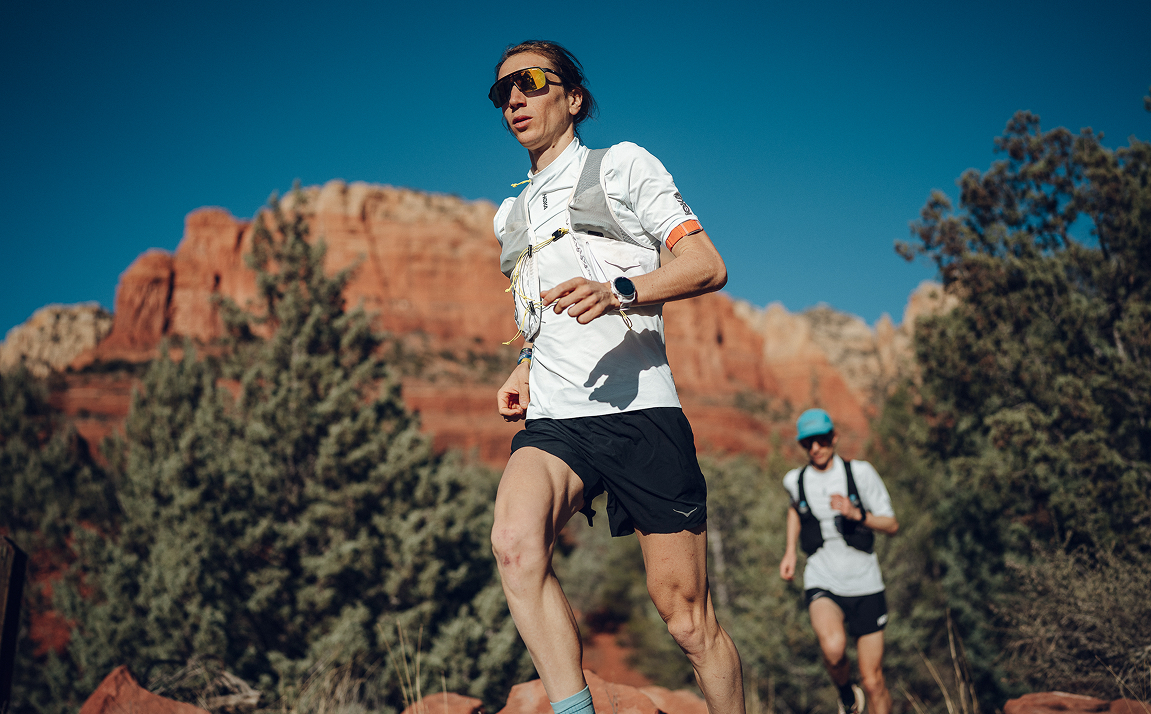
A few days before Western States, Francesco Puppi went out for a 3.5-hour run. On paper, it was a good sign. His right foot, which had been causing concern, held up. There was no major pain, no obvious warning, no immediate reason to panic. After weeks of disrupted preparation, that single run gave him some confidence.
That very confidence, Francesco has learned, can be fragile. It can rise with one good run and disappear with one bad step.
“Confidence is very dependent on your physical state,” he said. “If you can run, if your body responds, you’re confident.”
Western States was approaching, and his preparation had not gone the way he had imagined. He had been derailed by a broken wrist, poor sleep, sickness, and a foot issue that emerged close to the race.
Rationally, he knew this was part of the sport. Athletes get injured and have to change plans all the time. Still, when he had to tell COROS that his preparation had changed, he felt anxiety. The pressure was entirely self-imposed, with the message carrying more weight internally than it needed to. It felt like a crack in the image of the athlete he thought he was supposed to be.
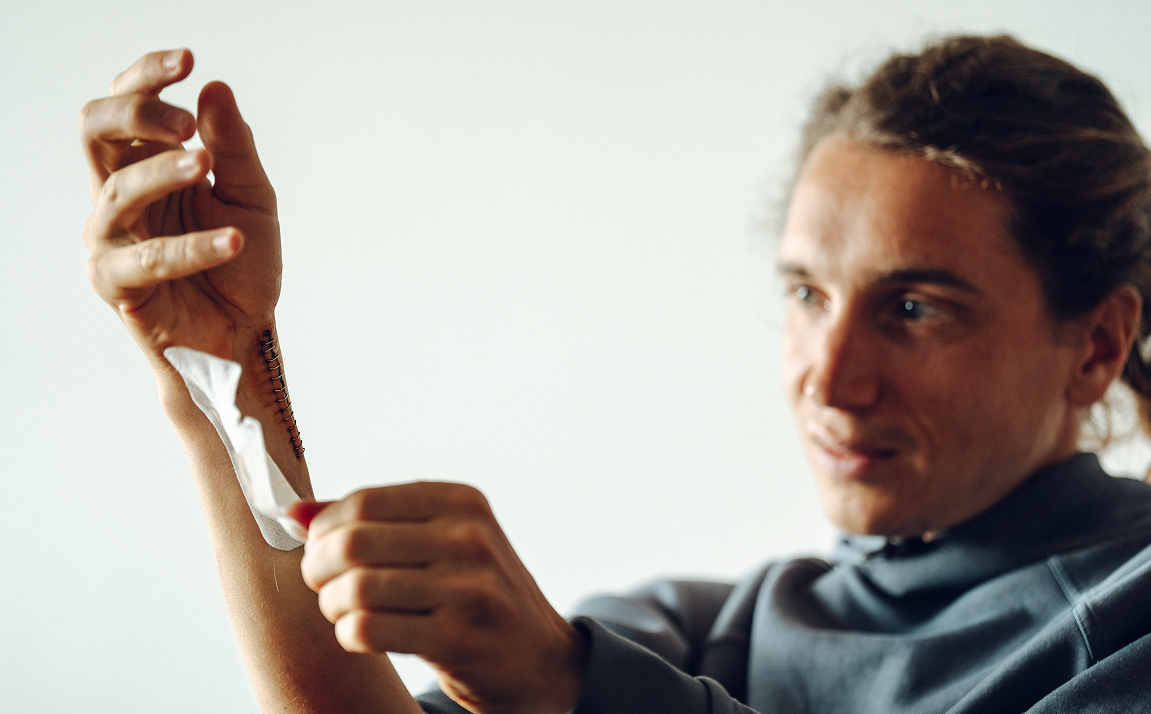
“I know rationally that issues like this are part of the game,” he had explained before the conversation. “But even just letting you (COROS) know that I’ve had to change plans creates a bit of anxiety or fear in me.”
For Francesco, the fear was expectation; not of pain or distance, but of falling short of the standard he had set for himself.
The Athlete He Thought He Had to Be
The previous year had gone smoothly, with consistent training and race results. Good results often create a new standard. Once an athlete shows what they are capable of, it can become harder to accept anything less.
“This year has been a bit more complicated, with injuries to deal with and some setbacks,” he said. “You start having more doubts and questioning whether this is the right path, and whether you’re really the type of athlete you thought you were.”
The pressure was not necessarily coming from other people in a direct way. It came from the idea of what other people might expect, and from the image Francesco had built of himself. He had new partners, new visibility, and new reasons to feel accountable. But the strictest judge was still himself.
“You don’t allow yourself too many mistakes, or to be tired, or to be weak,” he said. “Even if, consciously, you know that setbacks are a normal part of sport, that everybody has injuries and those kinds of things, when it happens to you, it’s so much harder to accept.”
Taking Control
For Francesco, this fear of expectations did not begin with Western States. Years earlier, it had shown up as poor body image and disordered eating. From the outside, there may have been no obvious reason to question whether he belonged. He was already performing well, but inside, he was comparing himself to an ideal.
“If I have these kinds of performances, then why don’t I look like another athlete? Why do I have the impression that my body doesn’t look like the ideal athlete I have in mind?"
"For many years, it required a huge effort from me to try to hide it from other people, to cover it, to pretend that I was a normal person, but the mental and emotional cost on yourself is huge.”
The breaking point was quieter than a dramatic collapse. Francesco reached a point where he had to admit that the problem was controlling him.
“I decided to start working with a sports psychologist around five years ago. I wanted to finally address these things and try to take care of myself. One of the hardest things was simply admitting to myself that I wasn’t able to deal with the situation alone and that I had to seek help”
Once he began to speak about it, the problem started to lose some of its power. It was no longer something undefined that controlled him from the inside. It became something he could name, understand, and begin to separate from who he was.
“I am proud that I’ve been able to deal with it, to get healthy, and to have a normal, healthy relationship with myself.”
Naming the Problem Without Becoming It

One of the most important things Francesco learned was separation. Stress, anxiety, fear, and shame may say something about what he is experiencing, but they are not the whole of who he is.
“You learn to understand that you’re not your own thoughts. Your emotions and thoughts say something about you, but there are these emotions and thoughts, and then there is Francesco. Those are two different things.”
That distinction changed the way he responds to difficult moments. A foot issue is a foot issue. It does not decide whether he is a good person or whether he is worthy.
A Different Kind of Preparation
Western States forced Francesco to redefine what good training meant. For his first 100-mile race, the goal was to build a body strong enough to handle the distance.
“Fitness is still important, of course, but even more important is being able to handle the distance and make your body strong enough to sustain such a big effort,” he said. “You need your body to be robust.”
That meant letting go of the numbers he expected to see. When his Achilles flared up, a planned 200+ kilometer running week became 75 kilometers of running and 15 hours of cycling. It was still a serious workload, but not the one he had pictured.
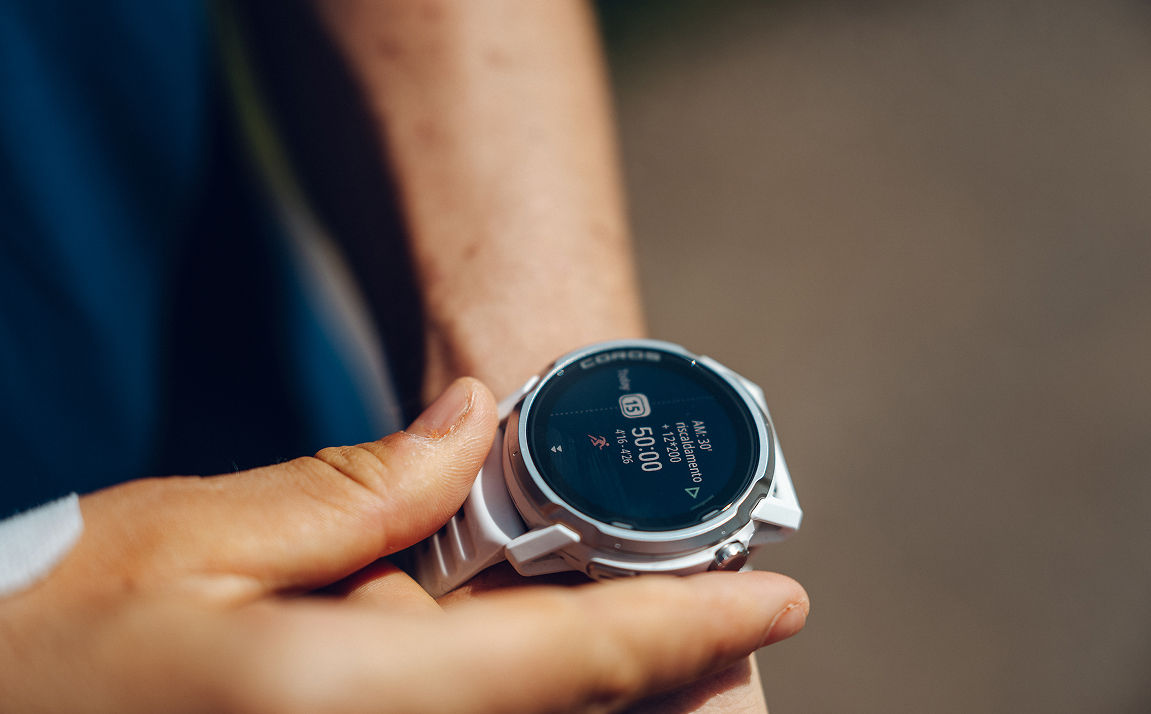
In those moments, COROS data helped him see the full picture: training load, recovery trends, cross-training volume, and consistency. It all helped him understand that the preparation was still moving forward.
For a closer look at Francesco's road to Western States, watch GOING FURTHER - The Roller Coaster, where he shares the highs, setbacks, doubts, and daily work behind this preparation.
Keeping Perspective
For Francesco, the pressure starts to lose power when he remembers that running is not the whole measure of who he is.
"You think other people are constantly watching you, evaluating your choices, your training sessions, your races, your results," he said. "But they're not."
His advice to younger athletes comes back to that same idea: "Just be yourself. Be whatever you want to be."
"Fearless is not the absence of fear. It's having the courage to deal with those fears, to go to their roots, and to be vulnerable."