
/filters:quality(90)/fit-in/970x750/coros-web-faq/upload/images/6146ce6e28f118c21e79b628349d7cf0.png)
Climbing demands precision, control, and awareness of your body. However, it's difficult to capture what's really happening to your body on the wall. The COROS Heart Rate Monitor paired with a COROS watch is designed to solve that problem, giving climbers accurate, actionable data without compromising performance. Here are five of the strongest reasons to make it part of your system.
1. Accurate Heart Rate Tracking Where Climbers Need It Most
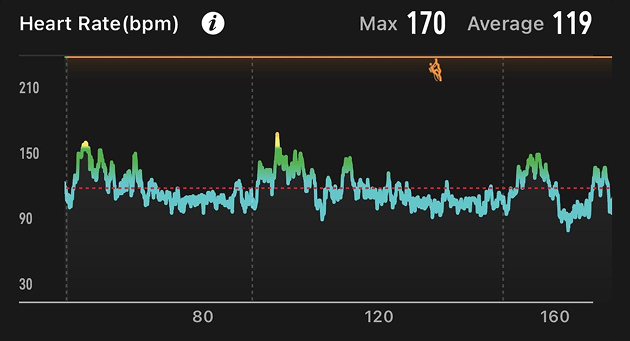
Traditional wrist-based monitors struggle in climbing environments, where constant wrist flexion and grip changes interfere with readings. By moving the sensor to the upper arm, the COROS Heart Rate Monitor delivers more stable and accurate data. When reviewing your climb afterwards, you'll see a clearer, more reliable picture of your effort during high-intensity moments like cruxes and redpoint attempts.

2. Unrestricted Movement on the Wall
Climbing requires full freedom of movement, and anything on your wrist can become a limitation. Whether it’s interference on holds or discomfort in cracks, a watch can get in the way. The COROS Heart Rate Monitor eliminates that issue entirely, allowing you to climb naturally while still capturing performance data in the background.
The COROS Heart Rate Monitor can be paired to any bluetooth-enabled device. So, whether that is the COROS VERTIX 2S hooked to a carabiner on your belt or another preferred device, you can still receive reliable data with a free wrist.

3. Deeper Insight Into Effort and Performance
Climbing is defined by short bursts of intensity rather than steady output. With accurate heart rate tracking, you can better understand how hard specific sequences or routes are, how your effort changes across attempts, and where your physical limits lie. This level of insight turns subjective effort into measurable performance.
4. Train or Recover With Clear Direction Using COROS Training Status
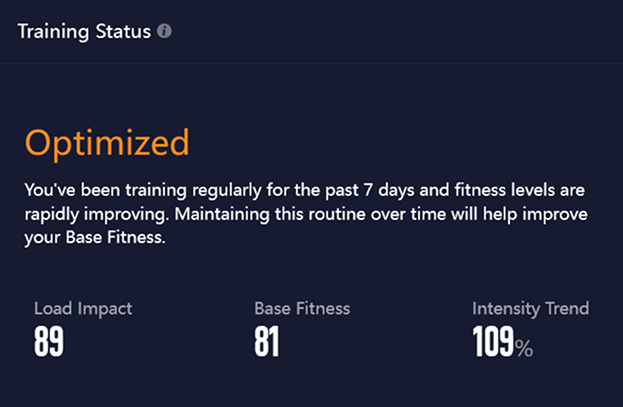
One of the biggest challenges in climbing is knowing when to push and when to back off. The COROS ecosystem solves this with its Training Status feature, which interprets your heart rate data to show whether you’re building fitness, maintaining, or drifting toward fatigue.
For climbers, this is especially valuable because progress often comes from balancing high-intensity efforts with proper recovery. Instead of guessing whether you should squeeze in another projecting session or take a rest day, your Training Status gives you a clear signal. Over time, this helps you avoid burnout, stay consistent, and enjoy sustainable progress.
5. A More Intentional Approach to Training
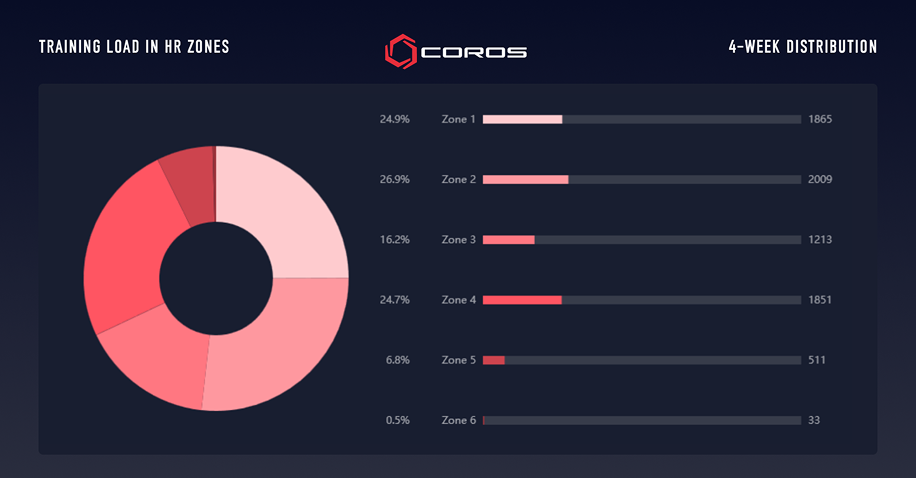
When your data is accurate, your training can become more focused. Integrated within the COROS ecosystem, the monitor allows you to structure sessions to target specific training needs, compare similar workouts, and see how your body responds to different loads. Instead of relying on intuition alone, you can make informed decisions that support consistent improvement.
The Bottom Line
For climbers looking to go beyond guesswork, the COROS Heart Rate Monitor offers a clear advantage. It combines accuracy, comfort, and usability in a way that aligns with the unique demands of climbing. Most importantly, it helps you train smarter, move freely, and perform at a higher level.