/filters:quality(90)/fit-in/970x750/coros-web-faq/upload/images/1766293a4bb167d26a1b08d8a5498251.png)
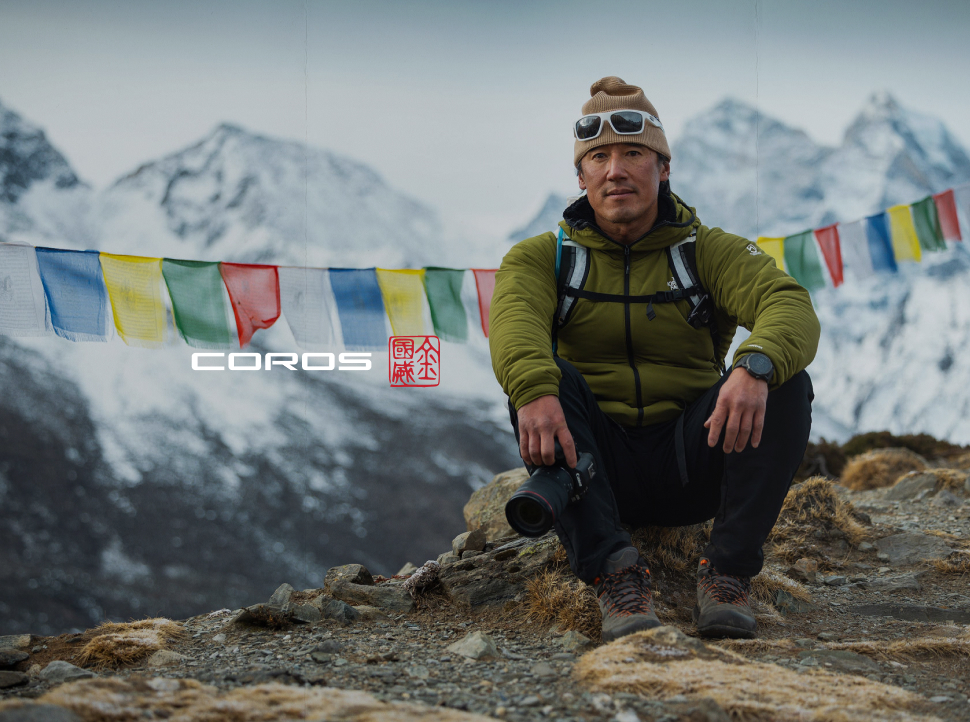
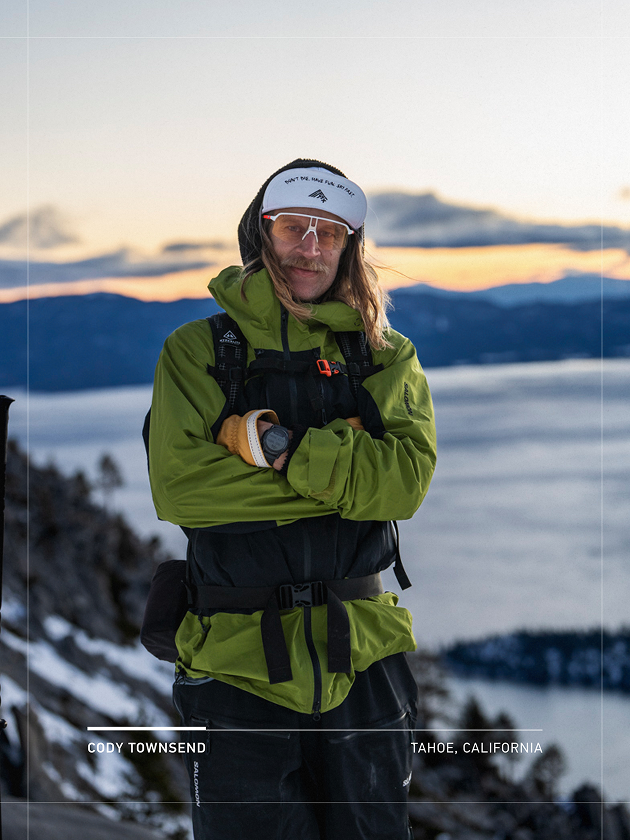
We’re proud to welcome Cody Townsend to the COROS Pro Athlete team, marking the beginning of a partnership built on human-powered exploration, precision performance, and a shared obsession with the mountains.
Known for his big-mountain skiing roots and his groundbreaking YouTube Series 'The Fifty,' Cody has become one of the most respected voices in modern ski touring, not just for how he skis, but for how he approaches the mountains: deliberately, analytically, and with deep respect for the process.
That mindset aligns perfectly with COROS.
Why COROS?
Cody’s progression from lift-served terrain to multi-hour, self-powered objectives has reshaped what he looks for in gear. Battery life, durability, and meaningful data are most important - especially on long days where efficiency and decision-making can define the outcome.
“Joining an elite team of athletes and ambassadors is quite the honor," Cody Says. "Having tested other similar devices, the battery life of COROS, the tracking accuracy, and just the functionality, the quick usefulness of it, it just seems like it’s unbeatable."
By teaming up with COROS, Cody gains access to technology built specifically for endurance athletes operating in extreme environments. Meanwhile COROS gains a trusted partner helping push the boundaries of what’s possible for ski touring watches.
Cody's Top COROS Features for Ski Touring
Ski Touring Activity Mode
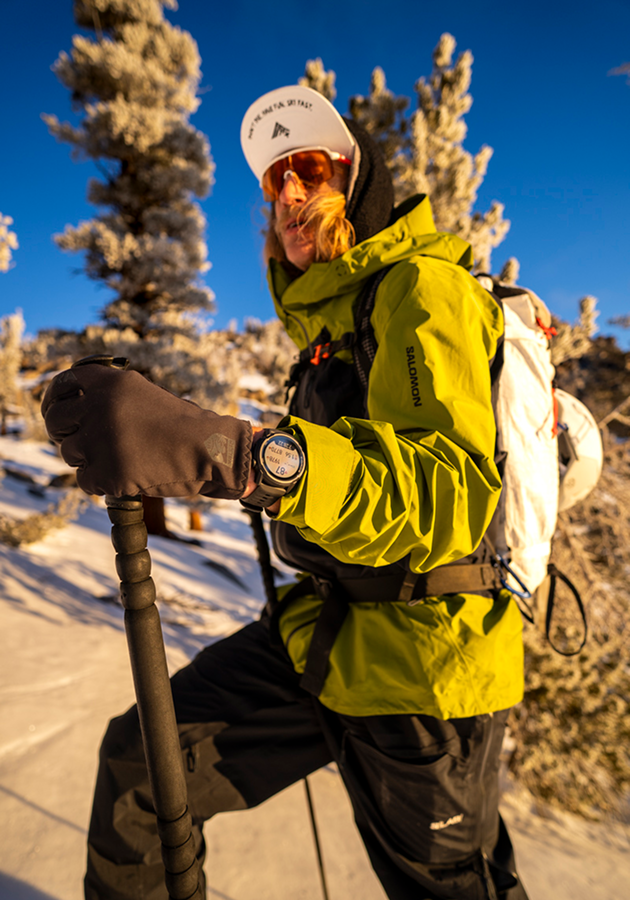
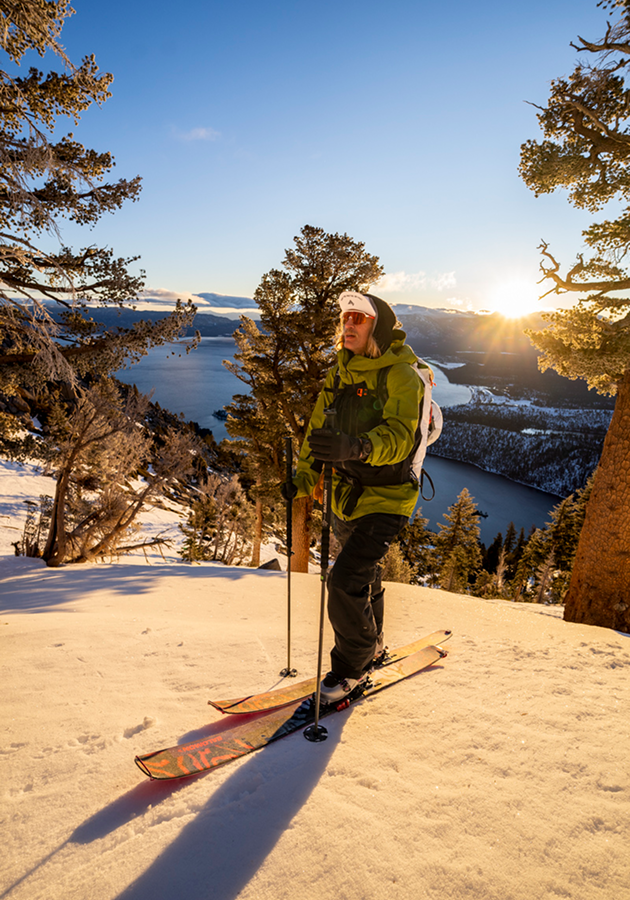
For Cody, one of the biggest advantages of COROS in the mountains is how effortlessly it integrates into the day. Start a 'Ski Touring' activity, put your head down, and move. The watch automatically tracks uphill and downhill movement in a single activity, capturing vertical gain, pace, distance, elevation, and time without interrupting the flow of a tour. Built for real mountain conditions, COROS devices are optimized to perform in cold temperatures where battery drain can quickly become a problem. With extended battery life designed for long days in the backcountry, your watch handles the tracking so you can preserve your phone battery for communication and emergencies.
The watch disappears on his wrist until the moment he needs it. A quick glance reveals heart rate, vertical ascent rate, or elapsed time. Then it fades back into the background while the focus returns to the climb, the snowpack, or the line ahead.
“It’s almost impossible for me at this point to not track a run or a backcountry ski tour,” he says. “It’s really nice to have the data — to see what you did, to know how far you went today. You go out there and aim for fun, you get data out of it, and it just kind of adds to the experience. I just like to nerd out on it.”
Photos by Ming T. Poon
Navigation & Mapping
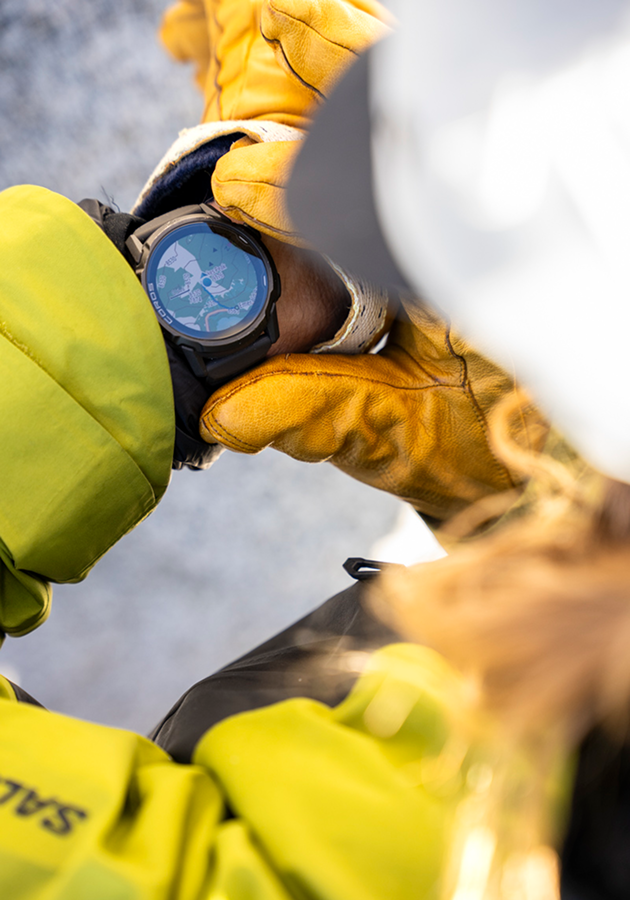
In backcountry terrain, navigation can shift from convenient to critical in seconds. That’s why mapping isn’t just a “nice to have” for Cody, it’s part of his risk management toolkit.
“If you’re in the alpine and you get caught in a storm or in a whiteout, that track is your lifeline out of there. Otherwise, you’re hunkering down.”
With COROS, that lifeline lives directly on his wrist. A single press of the action button instantly pulls up the map screen, allowing him to quickly get a read on exactly where he is, where he’s been, and where he needs to go. No digging through menus. No pulling off gloves to fumble with a phone. Just a fast, intuitive glance to confirm position, direction, or proximity to a planned route.
Vertical Speed vs Effort
For Cody, vertical speed and heart rate work together as a real-time pacing system.
“Vertical ascent rate and heart rate are the two things that are just indispensable to me.”
Vertical ascent rate tells him how quickly he’s gaining elevation, while heart rate shows the cost of that effort. If he knows he can sustainably climb 1,800 feet per hour at a certain heart rate, and the watch shows 1,400 at a higher effort, that’s immediate feedback — adjust pace, fuel, or expectations. If the vertical rate is high and the heart rate is steady, he knows he’s moving efficiently.
On bigger objectives, the combination becomes even more powerful. If there are 3,000 feet left to climb, vertical speed estimates how long it will take and heart rate confirms whether that pace is sustainable. Together, they remove guesswork from turnaround decisions, weather timing, and overall energy management.
Before long, you can start to see your progress in the numbers.
“All of a sudden, you’re doing 2,800 vertical feet an hour with a 130 heart rate… all these new objectives just kind of open up. The boundaries of what I can access just opened up.”
Used in tandem, elevation data and heart rate transform the climb from a feeling into a measurable, controllable effort especially on days where going up defines most of the objective.
Training Load & Recovery Metrics
Once the skis are off and the day is logged, Cody’s first stop in the COROS app is his Training Load.
“Training load… You start to understand — how hard did I work? What can I do tomorrow? Should I be taking more of a mellow day? Training load is a really nice metric.”
That single score helps quantify what the day actually cost. A big objective might feel manageable in the moment, but the training load score reveals the physiological impact. Stack a few high-load days in a row, and the data makes it clear when it’s time to dial things back.
Over time, he’s found the training status insights especially accurate.
“The training status algorithm that COROS uses is really good… I know when I’m doing in the perfect flow — every day I’m out doing stuff, but I’m not overextending. You look at training status and it’ll say optimized. And then when I know I’ve got like four giant days in a row, it’s like — you need a rest day.”
Recovery data — especially sleep — adds another critical layer.
“It’s almost as important to have good recovery as it is to have good training.”
For Cody, sleep tracking has become a powerful pattern-recognition tool. Poor sleep before a big day can explain elevated heart rate or sluggish pacing. Consistent, high-quality sleep, on the other hand, supports stacking bigger objectives safely.
“If you’re starting to see patterns in poor sleep and figuring out ways to get better sleep — I think that’s really key.”
Together, training load, sleep quality, and recovery metrics close the loop. The watch informs pacing during the climb. The app informs progression across the season. And that long-term visibility is what allows Cody to build fitness deliberately — not just accumulate big days, but sustain them.
Looking Ahead
This partnership with Cody Townsend and COROS is about building the future of ski touring technology together.
As Cody continues to push deeper into complex, human-powered objectives, we’ll be working closely with him to refine the tools that matter most in the mountains. From vertical metrics and pacing insights to navigation workflows and ski-specific data fields, his day-in, day-out experience in the alpine will directly inform how we evolve our product.
As the season unfolds, we’re excited to share what we’re building and where Cody’s next objectives will take us.